
Evietek: Next.js Agency Website with a Built-In Blog and Booking Tools
A fast agency site that editors can publish on and visitors can book from
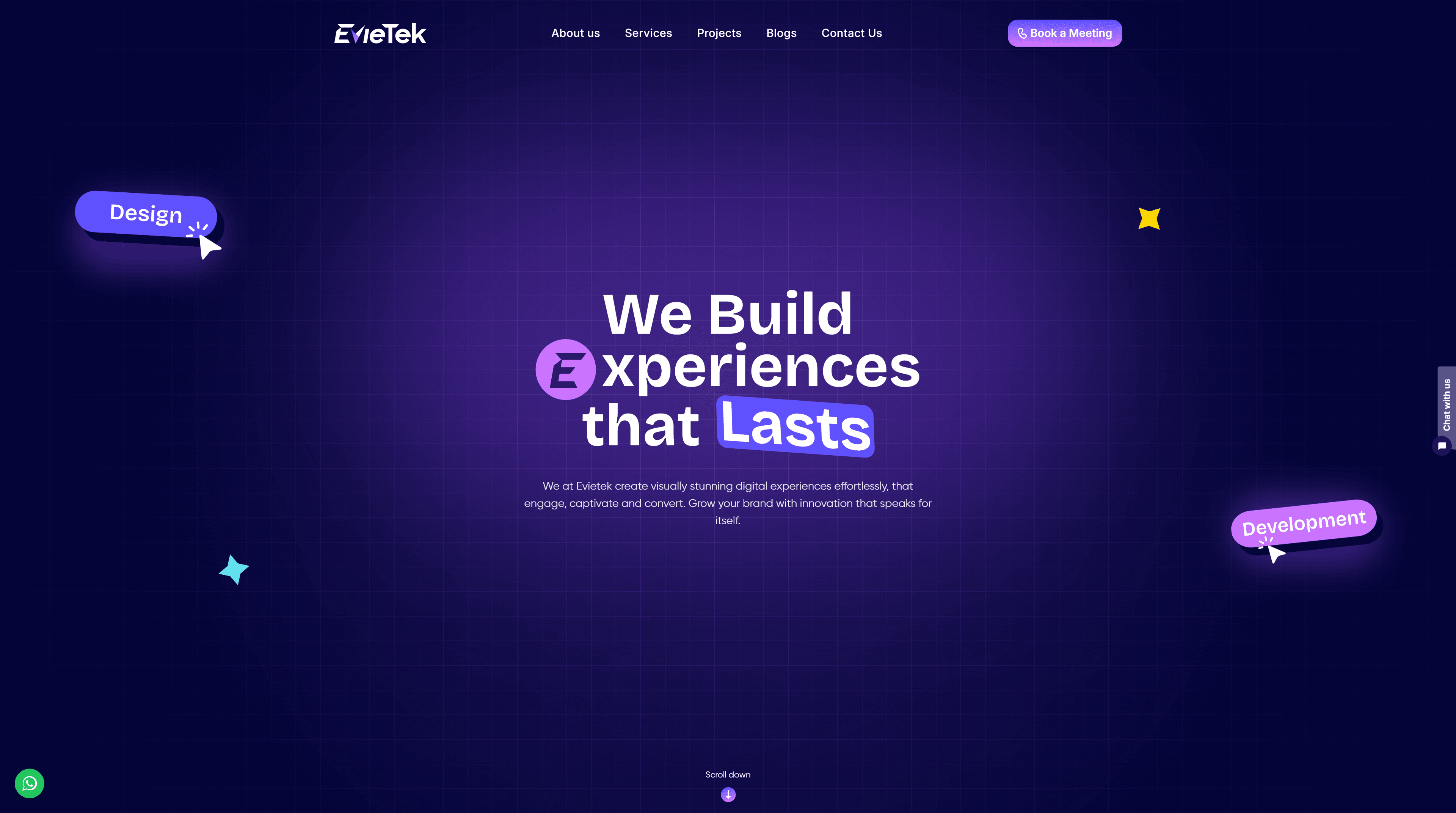
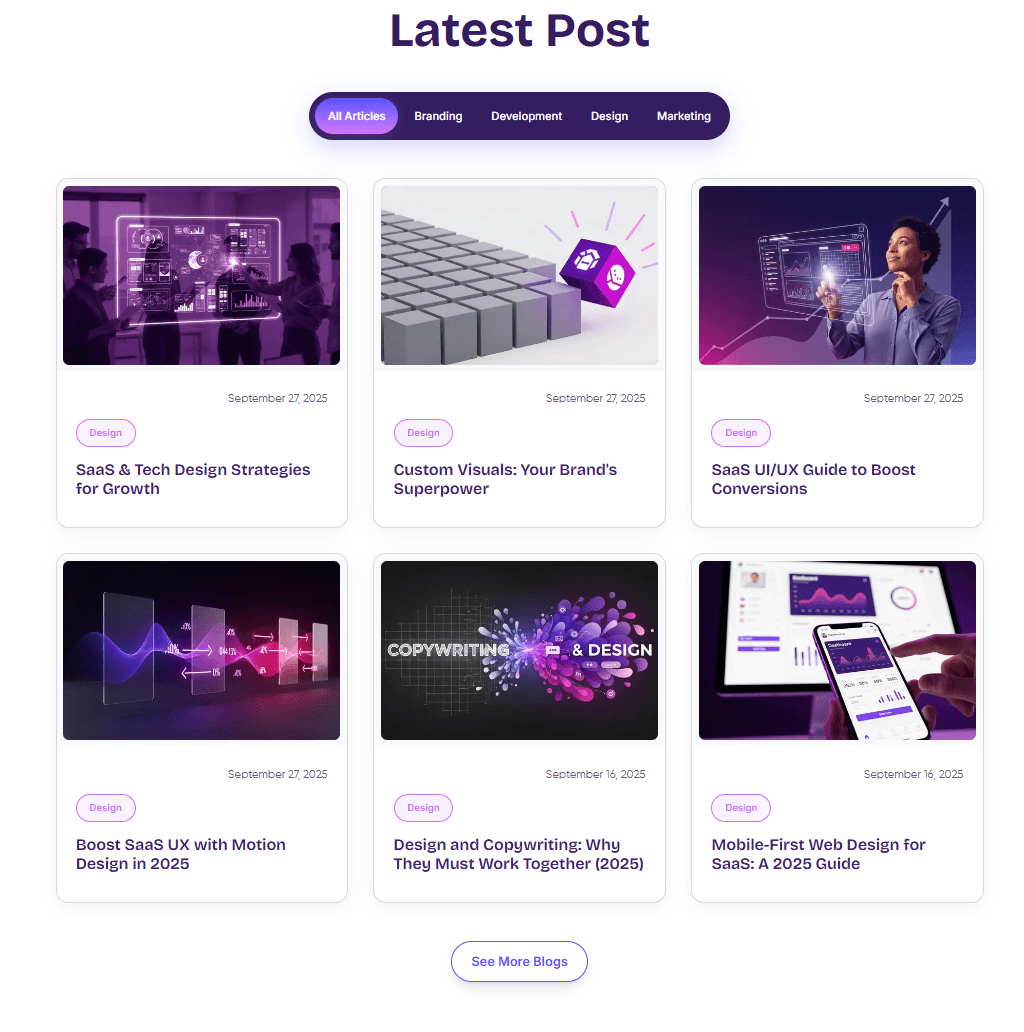
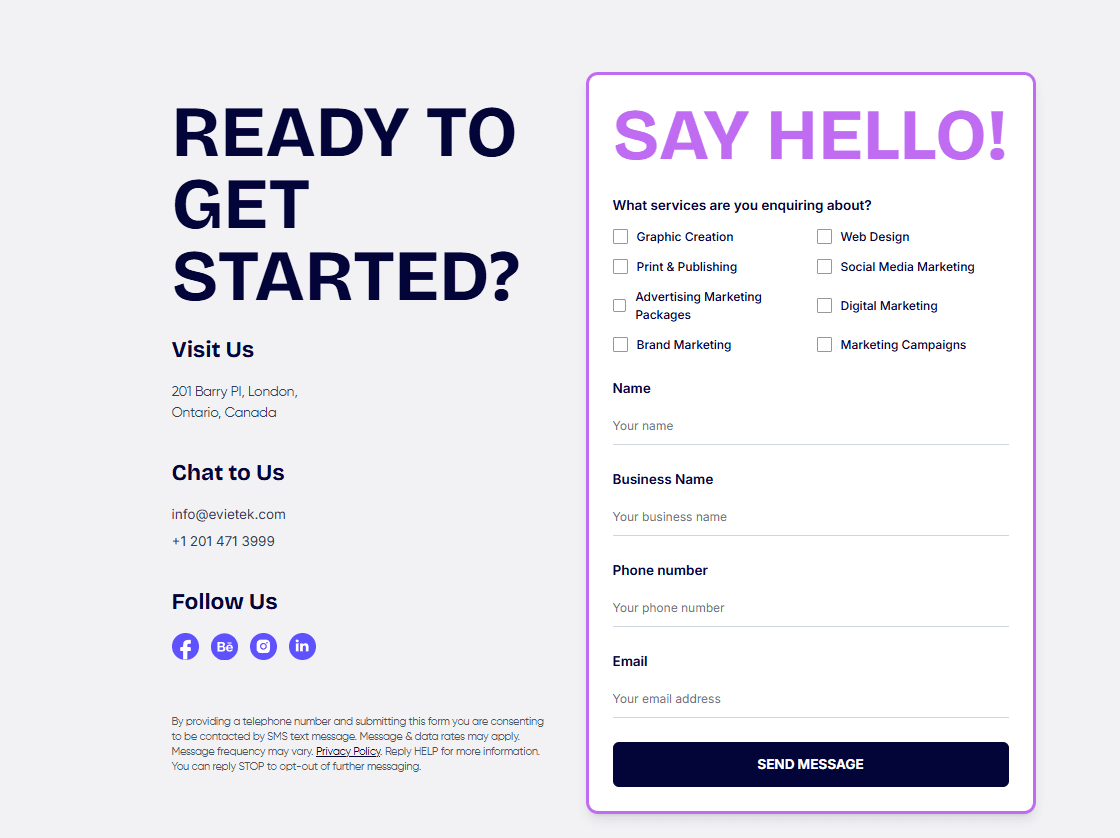
We built Evietek a Next.js agency website that passes Core Web Vitals and has an SEO-ready blog the team runs itself, publishing ~12 posts a month since launch. Visitors can book a call through Calendly, message on WhatsApp, use the contact form or ask the chatbot.
- Team
- 1 Dev, 1 Designer, 1 PM
- Category
- Marketing Website
- Location
- London, Ontario, Canada
- Date
- Mar–May 2025
- Status
- Launched & Maintained
Context & Objectives
The Context
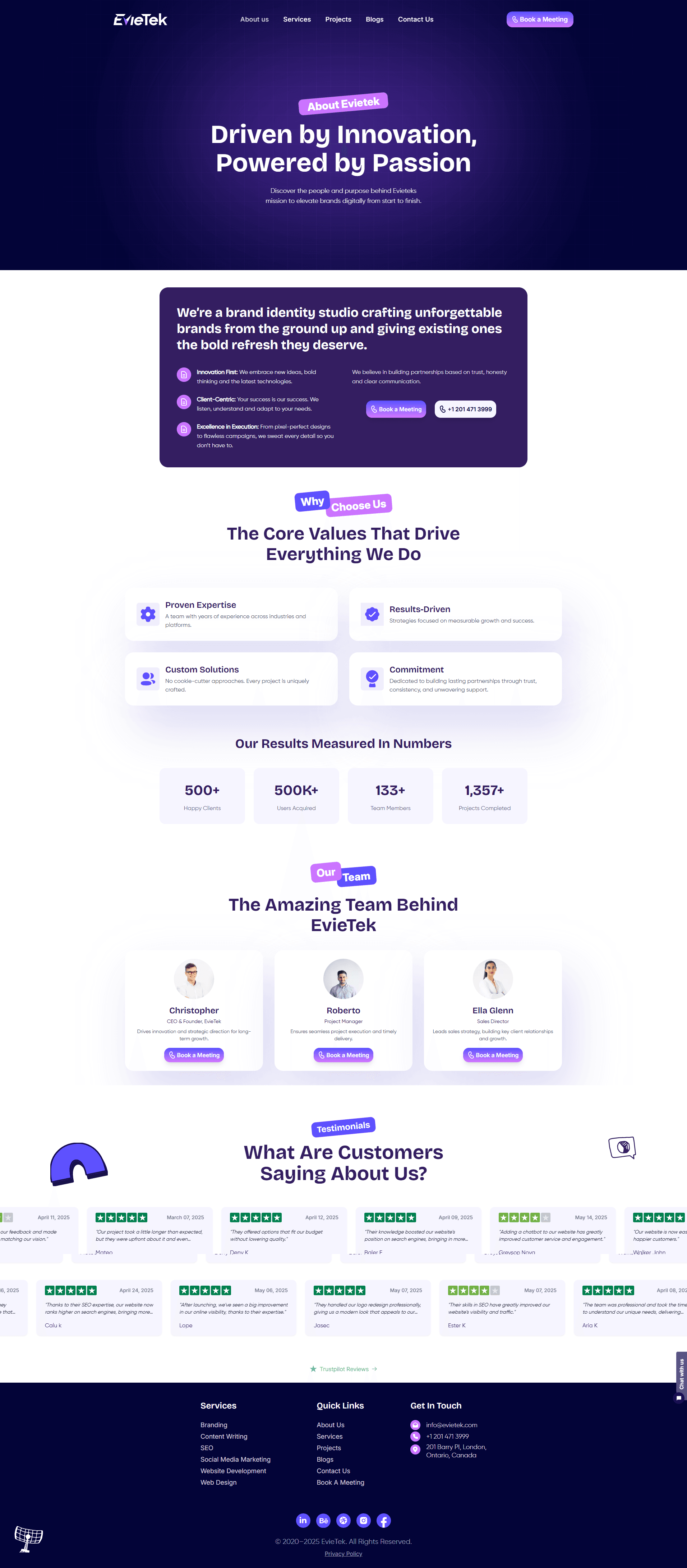
Evietek is an agency in London, Ontario. It came to us with Figma designs for a new site, but nothing in them moved, and there was no CMS or content plan behind them. We turned those designs into a Next.js agency website with scroll animation, SEO built into every template and a blog the team can publish on without a developer.
The commercial goal was more enquiries and more booked calls. We added Calendly scheduling, WhatsApp chat and contact forms, so anyone ready to talk can book a call or send a message straight away.
Objectives & Constraints
- Get Largest Contentful Paint (LCP) under 2s on the main landing pages over 4G.
- Ship a structured, SEO-ready blog (listing and single-post pages) with categories, tags and clean slugs.
- Build on-page SEO into the templates: semantic headings, canonical URLs, Open Graph/Twitter tags and Article schema.
- Add scroll-based motion while holding CLS at 0.00 on key pages.
- Integrate Calendly scheduling, WhatsApp chat, contact forms and a chatbot API.
What We Did
Next.js architecture, routing, data fetching and the component system.
Scroll effects and micro-interactions with Framer Motion, safe for visitors who prefer reduced motion.
Core Web Vitals tuning across images, fonts, caching and hydration strategy.
Form validation, rate limiting and error-monitoring hooks.
CI-ready project setup, preview deployments and a publishing flow content editors can use on their own.
How It Came Together
We started with a content audit and a new site structure. Each section (services, projects, the blog and contact) was matched to what people are searching for when they land on it.
Then we built the site from reusable Next.js components with fixed layout boxes. The animation never pushes content around, which is how CLS stayed at 0.00.
Motion earns its place when it points the eye somewhere. Staggered reveals and hover states made pages easier to follow and feel better made.
On image-heavy pages, responsive images and font loading gave the biggest Core Web Vitals gains.

Key Decisions & Trade-offs
Hybrid Rendering Strategy
Blog posts are static and page shells render at the edge, so moving between pages is quick and caches well.
Animation Budget
We used Framer Motion sparingly and turn it off for visitors who have reduced motion set, which helps accessibility and speed.
Tech Stack
Frontend
- Next.js 15
- React 18
- JavaScript
- Tailwind CSS
- Framer Motion
Frontend
- Next.js 15
- React 18
- JavaScript
- Tailwind CSS
- Framer Motion
Backend & APIs
- Node.js Runtime
- REST Endpoints
Analytics & Marketing
- Google Analytics
- Facebook Pixel
- Google Tag Manager
- Reddit Ads
Build & Infra
- Webpack
- Netlify
- AWS
- GitHub Actions
Challenges & Solutions
Keeping layout shift at zero with scroll-triggered animation on the page.
Pre-allocated layout boxes, transform-only motion and reduced-motion fallbacks kept CLS at 0.00.
Keeping SEO consistent across every newly published blog post.
The post template enforces H1/H2 structure, canonical URLs, meta and Open Graph tags, and Article schema by default.
Visual Showcase
Swipe through the screens
Results & Impact
What Changed
What Shipped, and How It Performs
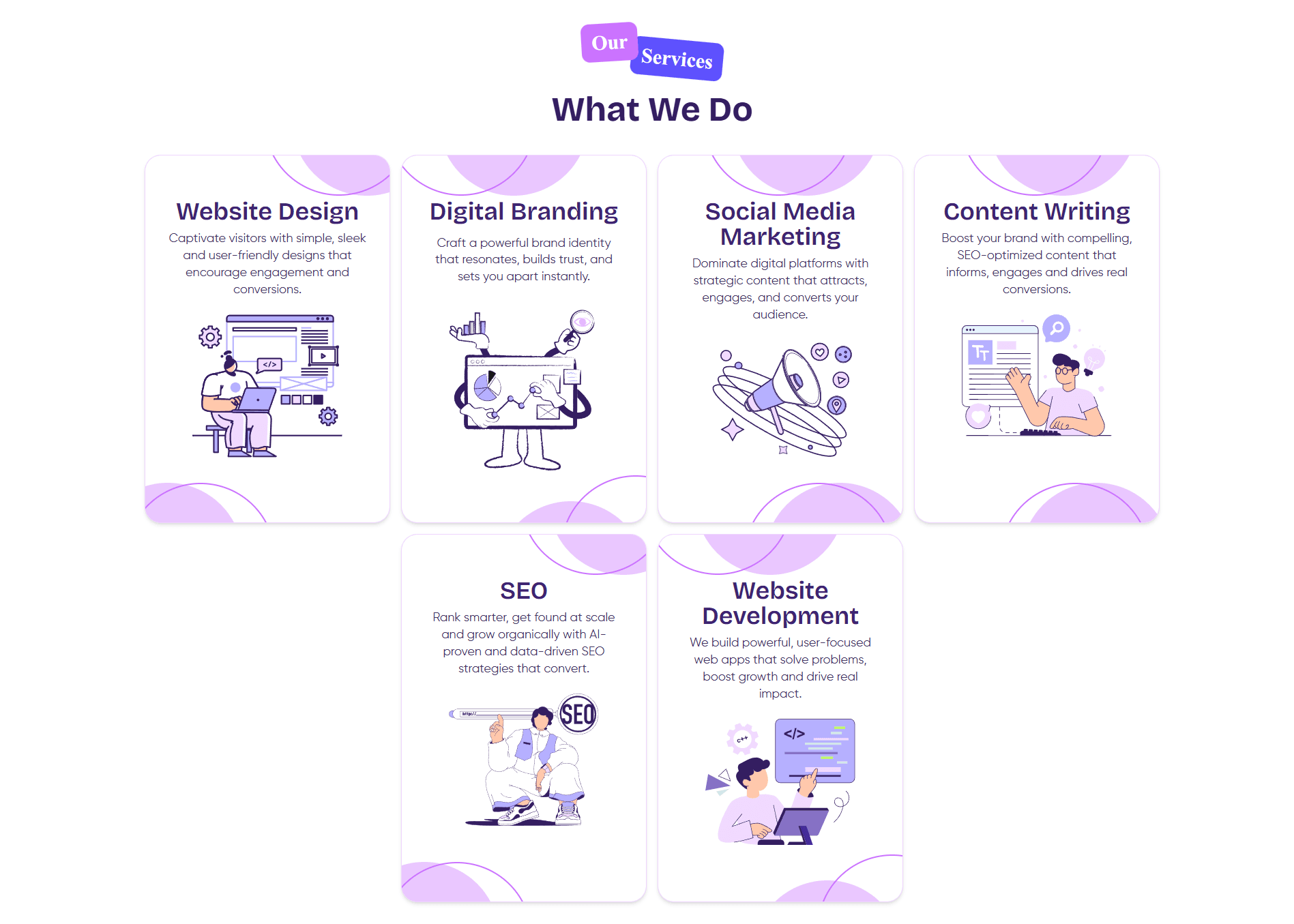
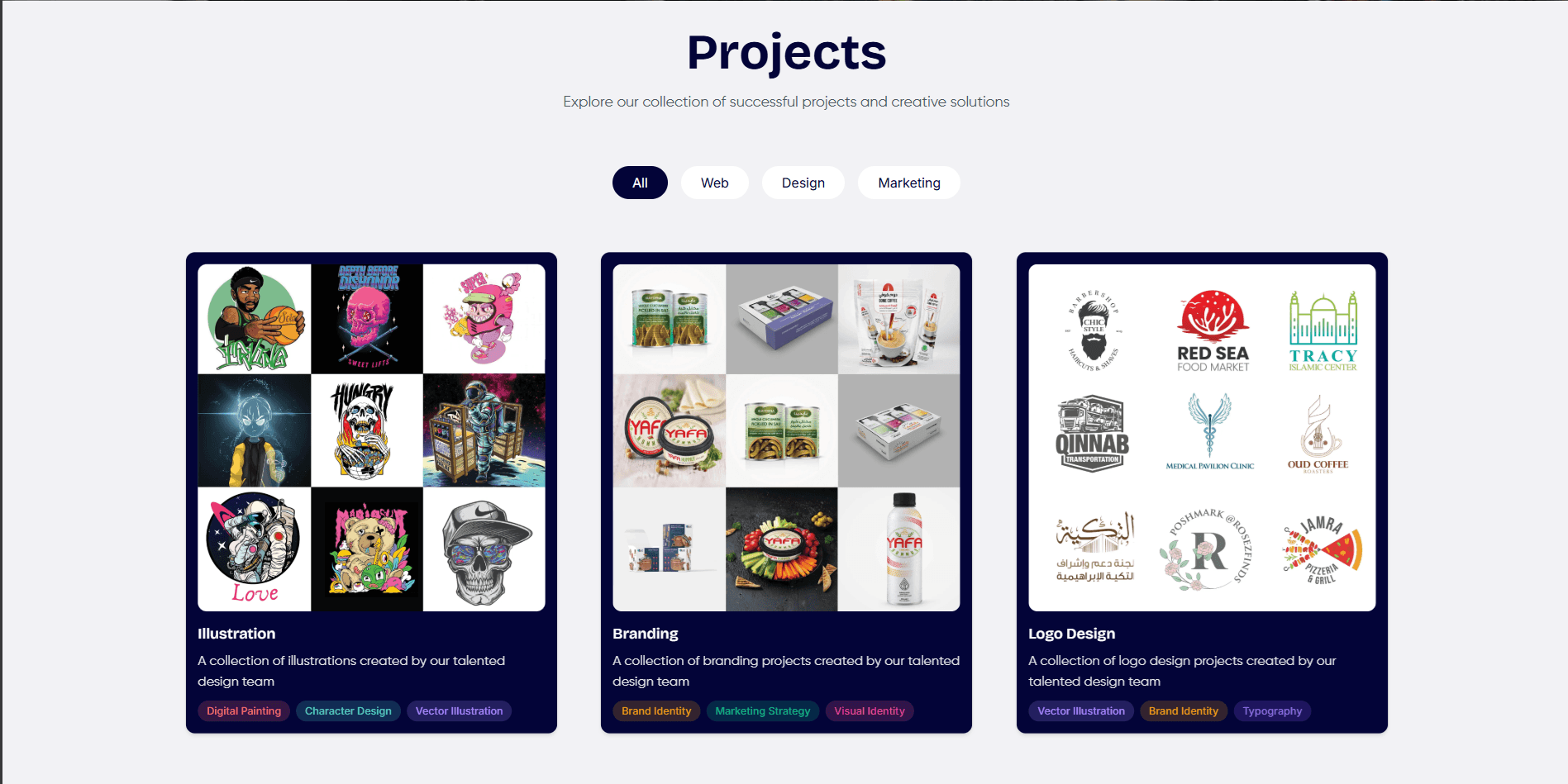
Evietek’s new Next.js agency website looks like the brand and passes Core Web Vitals. Editors publish ~12 posts a month, and every post gets semantic markup, canonical URLs and social metadata without anyone having to remember them.
Bookings and chats are up 25% since launch. Analytics events show which of Calendly, WhatsApp and the contact forms people use, and that steers each round of changes.
The launch hit both brand and performance goals. Publishing is painless and we’re seeing more booked calls from organic traffic.
- Noticeably faster mobile experience
- Blog workflow that non-devs can own
- Clean analytics and event tracking
Lessons Learned & Next Steps
What we learned
- 1
Plan motion into the design early, or layout shift creeps back in later.
- 2
Build SEO into the templates so authors can’t miss the basics.
Where it goes next
- 1
Programmatic SEO pages for long-tail topics.
- 2
AI-assisted outlines to speed up first drafts.
Want a website like this for your business?
Tell us what you do and where you work. Websites start at £400, and we reply within one business day with the package we’d recommend.
- A scoped plan within days of your first call
- Built to pass Core Web Vitals on a phone
- Secure APIs and integrations
- Automated deploys and monitoring from day one
- Book a free 30-minute call if it’s useful
- NDA-friendly. Your IP is safe.