
Starter
A professional first website for a new or small business.
£400
one-offNo VAT added
Website design for plumbers starts with the emergency. Someone with water coming through the ceiling won’t read your about page. They need your number now, and confidence you’ll come out. We build fast, mobile-first websites for UK plumbers that put the callout first, then explain the planned work properly, from bathroom fits to boiler servicing. Fixed prices from £400.
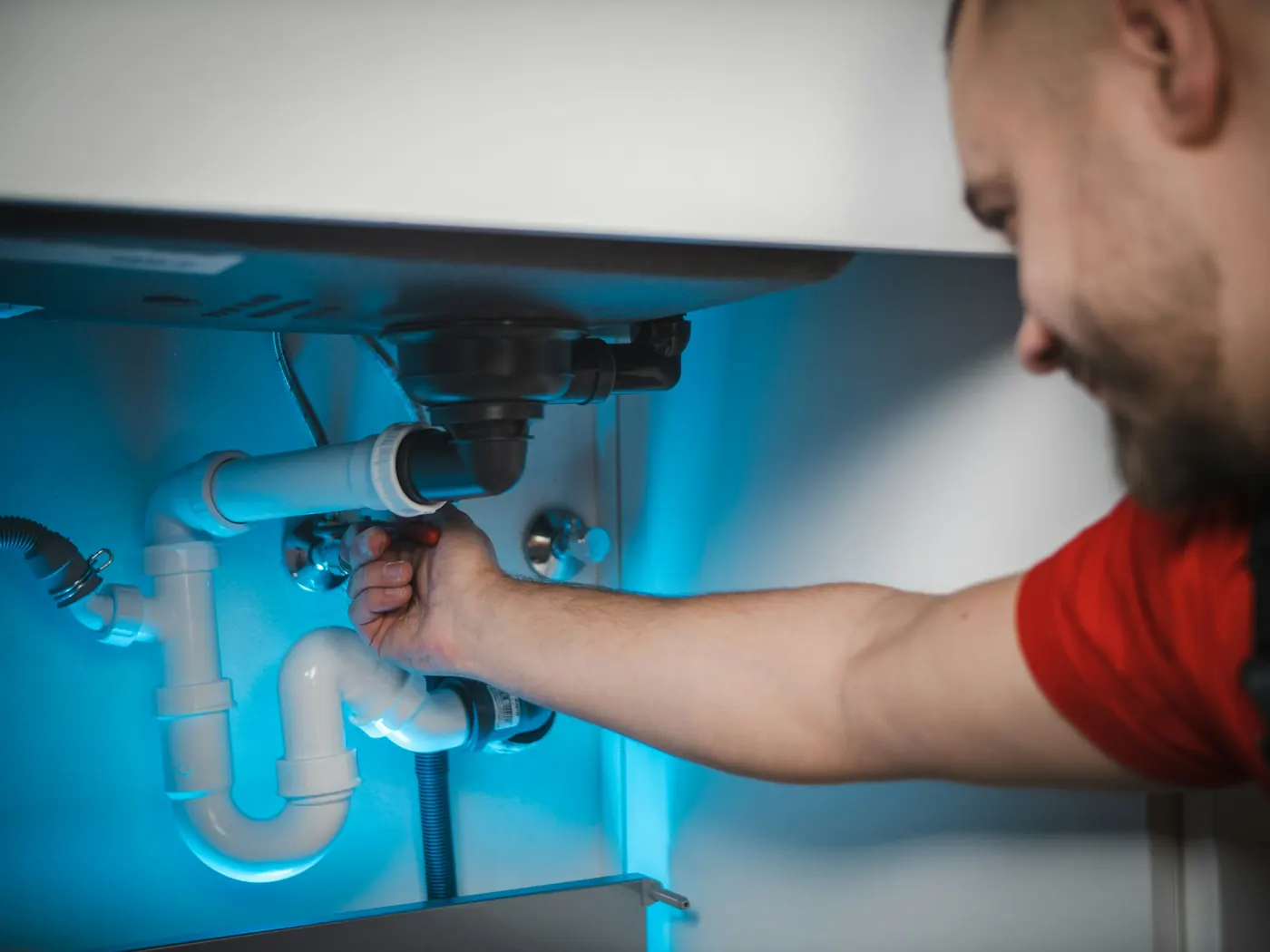
Put the emergency number where nobody can miss it, because a plumbing website serves two very different visitors. One has a burst pipe and is panicking. The other is planning a new bathroom and comparing quotes over a few weeks. The emergency visitor decides in seconds, so the site has to be built around them first.
If you offer emergency callouts, that means:
If you don’t do emergency work, say so clearly and lead with your planned services instead. It saves you calls you can’t take.
Here’s a concept homepage for a fictional plumbing business, Example Plumbing Co. The emergency line comes first, and the planned work follows for customers who have time to browse.
Fast response. What to do while you wait.
Design, fitting and photos of finished work.
Servicing, repairs and installs, by registered engineers.
Taps, toilets, radiators and the smaller jobs.
Real Google reviews would appear here, linked to the full profile. None are shown in this concept.
A full-width strip above everything else, with the number repeated in the header. Someone with a leak never has to look for it.
Emergencies call; planned work sends a photo for a quote. Each visitor sees their path straight away.
A photo of the leak, the old bathroom or the boiler’s data plate tells you far more than a description, and can save a wasted visit.
The registration slot is there for plumbers who do gas work. If you don’t, it comes out, and the boiler card points customers to a Gas Safe registered engineer instead.
Many plumbers travel further for a bathroom job than for a 2am leak. Showing both avoids calls you can’t attend.
Give leaks, bathrooms and boilers a page each. They bring in different customers with different urgency, and one “services” page can’t serve them all well. What we see on most trade websites is that single list, and it rarely ranks for any of the jobs on it.
Urgent and local. Lead with the phone number and your emergency areas, then the practical advice, such as where to find the stopcock. Keep it short, because this visitor is stressed and on a phone.
Planned and higher value. Customers compare several firms over weeks, so this page needs photos of finished bathrooms, how a project runs from survey to handover, and how you quote.
Servicing, repairs and installs, with your Gas Safe registration shown clearly if you do gas work. Customers often search by problem, such as “no hot water” or “boiler losing pressure”, so answer those questions on the page.
Add pages for any other work you want more of, such as drainage or landlord work. Each page is another chance to match exactly what someone searched for.
Heating engineer website design works the same way as a plumber’s: breakdowns first, then a page for each kind of planned work. What changes is the registration customers look for, and that depends on the fuel: Gas Safe for gas, OFTEC for oil and MCS for heat pumps. Show only what you hold.
/
Your Gas Safe number in the header if you’re registered, a no-heat line for breakdowns, and tap-to-call on every page.
/breakdowns-and-no-heat
Who’s searching: Someone with no heating or hot water, on a phone, wanting to know if you can come today.
/boiler-servicing
Who’s searching: Homeowners booking the yearly service, often around the same time each year.
/new-boilers
Who’s searching: Homeowners comparing quotes over a few weeks.
/landlord-gas-safety-checks
Who’s searching: Landlords and letting agents who need the check done every 12 months.
/oil-boilers
Who’s searching: Homes off the gas grid, if you’re OFTEC registered.
/heat-pumps
Who’s searching: Homeowners asking about the Boiler Upgrade Scheme, if you’re MCS certified.
HSE says consumers are “strongly encouraged to check the ID card” before anyone starts work on their gas appliances, and the back of the card shows the work you’re qualified for. So name the same work on your site. The boiler sign-off is from the Planning Portal and the grant from GOV.UK, both checked in November 2026. This isn’t legal advice.
By law, gas work in the UK must be carried out by a Gas Safe registered engineer. If you do gas work, show your registration number and link to the Gas Safe Register so customers can check it. If you don’t, leave it off, say clearly which jobs you do, and never imply a registration you don’t hold.
Let customers attach photos when they ask for a quote. A picture of the old bathroom or the boiler’s data plate helps you price planned work, spot jobs that aren’t for you and arrive with the right parts.
Show real reviews, and link to your Google reviews. Reviews that mention a specific job, such as a bathroom fit or an emergency leak, reassure customers looking for that job.
List towns and districts rather than your home address. If your emergency area is smaller than your planned-work area, show both.
Good SEO for plumbers covers two kinds of search. Emergency searches are about as local and urgent as search gets, from someone nearby on a phone who wants help now. Planned work, like a new bathroom, is searched more slowly and compared.
Use “Plumber” as your primary category and add secondary categories only for work you actually do. Set it up as a service-area business with your address hidden, and keep your hours accurate, including whether you take emergency calls.
Many plumbing searches describe a problem, such as “no hot water” or “boiler losing pressure”, instead of a service. A page or article that answers the problem clearly can bring in the customer before they’ve picked a plumber.
Keep your name, phone number and areas identical across directories, including your Gas Safe Register listing if you have one. Inconsistent details make Google less sure which listing is right.
Post photos of real jobs to your Google Business Profile and ask every happy customer for a review. Both keep your profile active and show the kind of work you do.
Our local SEO services work through these every month. Monthly SEO packages start at £199/mo, or start with a one-off £149 audit to see what’s holding your site back. Our guide to SEO for tradesmen covers the same steps in more detail.
Fixed prices with everything listed. Every package includes a quote request form. Photo upload comes with Growth, or add it to Starter or Business for £50. Compare every package in full.
A professional first website for a new or small business.
£400
A fuller site for an established business that wants to win more work online.
£750
For businesses ready to compete harder in local search.
£1,200
Selling products online? Our shop packages start from £900. Compare the shop packages

The industries we work with, and how we help trades and local businesses.
Back to industries
Websites, local SEO and AI enquiry tools for every trade, plus the Trades Starter Kit.
Websites for tradespeople
Scheme registration up front and dedicated pages for EICRs, EV chargers, rewires and emergency callouts.
Website design for electricians
Three concept designs, a page for each roofing job, before-and-after galleries and photo quotes.
Roofing website design
Job-list quote forms, a clear minimum charge and the gas and electrical jobs a handyman passes on.
Handyman website designOnly if you do gas work. Gas work in the UK must be carried out by a Gas Safe registered engineer, so if you’re registered, show your number and link to the Gas Safe Register. If you don’t do gas work, leave it off and be clear about the jobs you do take on.
A website for a plumber costs £400 on our Starter package (up to 5 pages), £750 on Business (up to 10 pages) or £1,200 on Growth (up to 15 pages, with an online booking calendar and photo upload). The Trades Starter Kit, a Business website plus Enquiry Bot setup, is £950.
Yes. Growth includes photo upload on the quote form, or it’s £50 as an add-on to Starter or Business. Customers can attach photos of the job, such as the leak, the old bathroom or the boiler’s data plate. A photo tells you more than a description. It helps you price planned work, arrive prepared and avoid a wasted visit.
Put a tap-to-call button in the header and a sticky call bar on mobile, so the number is one tap away on every page. State your emergency hours and the areas you’ll travel to plainly. Then use the same number on your website, Google Business Profile and directory listings.
Yes, it’s worth it. Bathroom customers compare firms over weeks and want photos and a clear process. Boiler customers often search by a specific problem, such as “no hot water”. One page can’t answer both well, and separate pages give Google a clear match for each search.
Partly. Our Enquiry Bot is a text chatbot on your website. It can capture a customer’s name, phone number and job details and email them to you at any hour. It doesn’t answer calls or send anyone out, so for real emergencies your phone number should always be the first thing customers see.
Mostly the same website with different pages. A heating engineer needs a page each for servicing, breakdowns and new boilers, plus landlord safety checks, oil boilers or heat pumps if you do them. The registration you show changes with the fuel: Gas Safe for gas, OFTEC for oil and MCS for heat pumps.
Yes, if you’re registered, and the header is a good place for it. HSE encourages customers to check an engineer’s ID card, and the register lets them look up the licence number on it. List only the gas work your card says you’re qualified for, and never show a number you don’t hold. This isn’t legal advice.
Tell us whether you take emergency work, which jobs you want more of, and the areas you cover. We’ll recommend a package and a page plan.
Not ready to talk? Free website check – back within 48 hours
Emergency or planned work, the areas you cover and your current website, if you have one. We’ll reply within one business day.
A real person reviews your notes and comes back within one business day.
We go through what you need, your budget and your deadline, then tell you honestly which option fits.
Scope, milestones and pricing in writing within 48 hours of the call.